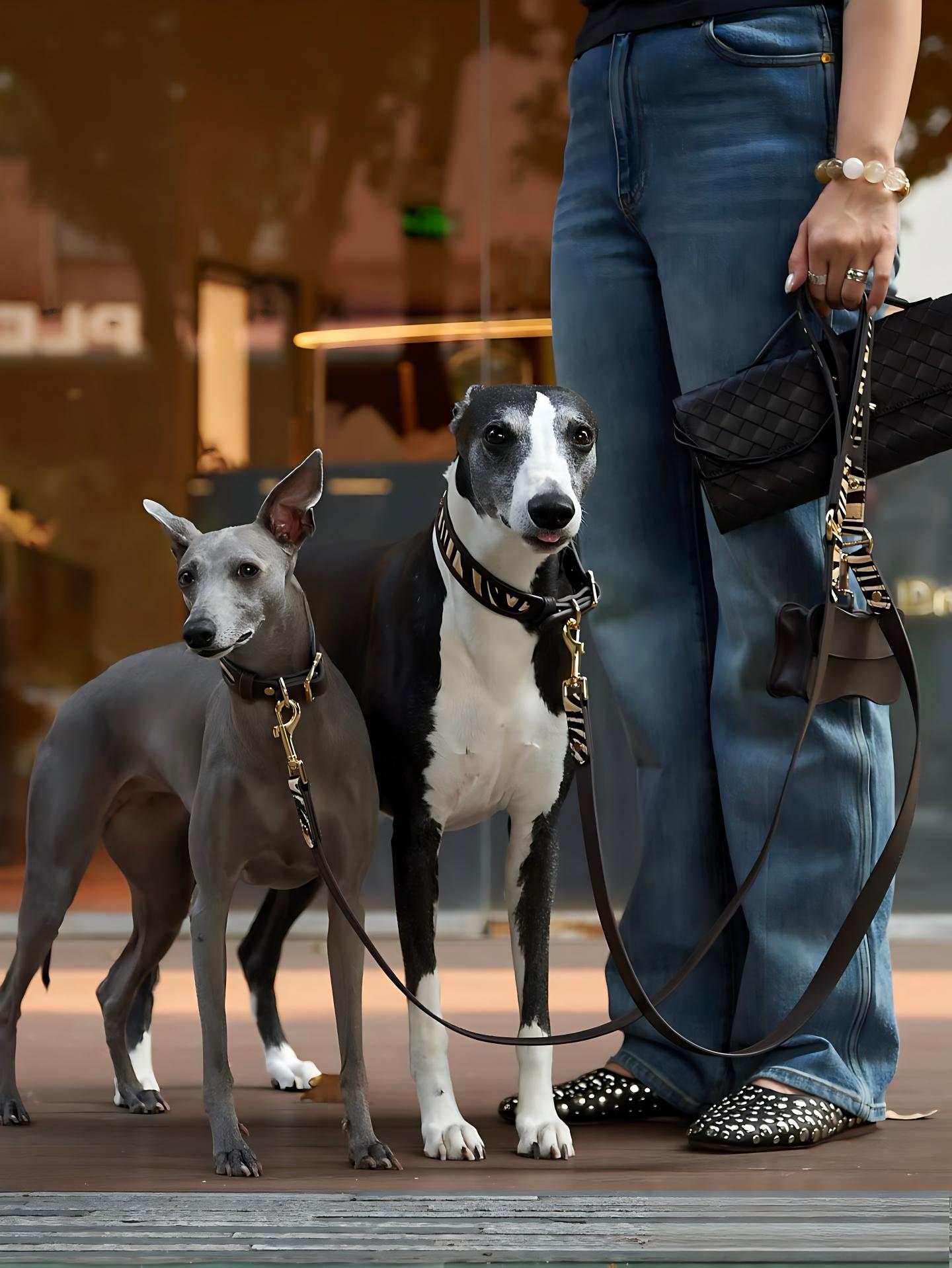
European & American Market Guide: How to Choose the Perfect Leash for Your Furry Friend
For pet owners across Europe and the United States, a leash is more than just a tool—it’s a bridge between your furry companion’s freedom and public safety, a symbol of responsible pet ownership, and a key to harmonious coexistence in urban and rural spaces alike. With varying regional regulations, diverse pet needs, and a flood of products on the market, finding the ideal leash can feel overwhelming. This guide breaks down everything you need to know to make an informed choice tailored to your pet, lifestyle, and local rules.
Understand Regional Regulations First
Before browsing leash options, it’s critical to align with local laws, as leash rules vary significantly across Europe and the U.S.
In the United States, most cities follow a “leash required” policy in public spaces like streets, sidewalks, and general parks, with leash length often capped at 6 feet (about 1.8 meters). However, many municipalities designate off-leash areas—such as dog parks or specific beach sections—where leashes can be safely removed. For example, cities like Portland and Seattle boast extensive off-leash networks, while New York City allows off-leash play in certain parks during early morning and late evening hours. Always check your local government website for “off-leash dog areas” or “dog park” listings to avoid fines.
Across Europe, regulations are equally nuanced. In the UK, the Public Spaces Protection Order (PSPO) mandates leashes in most public areas, with fines up to £1,000 for violations. Spain’s Barcelona requires leashes everywhere except 103 designated “Shared Use Zones,” where off-leash play is permitted, but fines for non-compliance can reach €2,400. France, meanwhile, combines strict leash rules with advanced pet management: the 2024 revised Rural Code mandates basic obedience training for dogs, and leashes are required in most urban areas, though cities like Berlin offer ample green spaces where leashes are optional. Always verify local rules—ignorance of the law won’t excuse a fine.

Match Leash Type to Your Pet’s Needs
The right leash depends on your pet’s size, breed, age, and energy level. Here’s how to narrow down your options:
1. Fixed-Length Leashes: Reliable for Daily Walks
Fixed-length leashes, typically 1 to 2 meters long, are the go-to for everyday walks and obedience training. They offer maximum control, making them ideal for puppies, large or strong breeds, or dogs that tend to pull. For small breeds like Chihuahuas or Shih Tzus, a lightweight nylon or polyester leash is comfortable and easy to handle. For larger breeds like Labradors or German Shepherds, opt for a sturdy, multi-strand leash with a break strength at least five times your dog’s weight—this ensures it can withstand sudden tugs or pulls. Look for padded handles to reduce hand fatigue during long walks, and reflective strips for visibility during early morning or evening outings.
2. Retractable Leashes: Freedom for Well-Trained Dogs
Retractable leashes, which can extend up to 10 meters, are perfect for well-behaved dogs that respond reliably to recall commands. They allow your pet to explore and sniff while still keeping them within reach, making them great for open spaces like designated off-leash areas or quiet countryside trails. However, they’re not suitable for all dogs: avoid using them for strong pullers or reactive dogs, as the thin cord can snap under tension, and the sudden retraction risk injuring your pet or yourself. When choosing a retractable leash, prioritize models with a permanent locking mechanism—this lets you fix the length quickly if a situation arises, such as encountering an unfriendly dog or a busy road.
3. Harness-and-Leash Combos: Gentle on Sensitive Breeds
For brachycephalic breeds like French Bulldogs or Pugs, or dogs with neck injuries, a harness-and-leash combo is a game-changer. Unlike traditional collars, which put pressure on the neck, harnesses distribute force across the chest and shoulders, reducing the risk of tracheal damage or discomfort. Look for a harness with dual attachment points: a front clip to discourage pulling and a back clip for casual walks. Pair it with a lightweight leash for maximum comfort, especially during hot weather.
4. Specialized Leashes for Unique Needs
If you have multiple dogs, a coupler leash lets you walk two pets at once, but ensure the design prevents tangling—look for wide-angle forks to keep dogs from getting in each other’s way. For senior dogs or those with joint issues, a short, fixed-length leash with a padded handle gives you close control without straining their bodies. For nighttime walks, choose a leash with LED lights or reflective materials to keep both you and your pet visible to drivers and cyclists.
Prioritize Safety and Durability
No matter which leash you choose, safety should be your top priority. Here are key features to look for:
Material: Nylon is durable, easy to clean, and affordable, making it a popular choice. Polyester offers better UV resistance, ideal for outdoor use in sunny climates. Leather is soft and stylish but requires regular maintenance to prevent cracking.
Hardware: Opt for rust-resistant metal clasps and D-rings, as plastic hardware can break under pressure. A rotating clasp prevents the leash from twisting, reducing tangles and frustration.
Certifications: Look for leashes that meet safety standards like ASTM F2765-17 (U.S.) or EN 71-3 (EU), which ensure the product is free from harmful chemicals like lead or cadmium.
Ergonomics: A padded handle reduces hand strain during long walks, while a non-slip grip ensures you can hold on securely even if your dog pulls suddenly.
Final Tips for a Perfect Fit
Test before you buy: If possible, try the leash on your pet before purchasing to ensure the length and weight feel comfortable.
Check regularly: Inspect the leash for frays, cracks, or damaged hardware before each use. Replace it immediately if you notice any signs of wear.
Train with consistency: A leash is only as effective as your pet’s training. Invest time in teaching basic commands like “heel” and “come” to ensure safe and enjoyable walks.
By combining an understanding of local regulations, your pet’s unique needs, and a focus on safety and durability, you’ll find a leash that enhances both your pet’s quality of life and your peace of mind. Remember, the perfect leash isn’t just about following rules—it’s about creating happy, safe moments with your furry friend, whether you’re strolling through a Parisian park, hiking a trail in the Rockies, or exploring a London neighborhood.